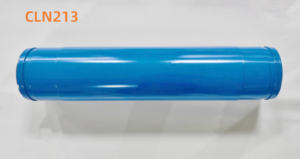
The MONO Pump CLN213 is associated with on-site emulsion explosive mixing and pumping systems, where dependable fluid transfer and carefully maintained equipment are essential. Some mining corporations also use pumps identified as CLN213R8 or SB072AC1R8 for transferring emulsion explosives. If you’re responsible for maintaining these systems or sourcing replacement parts, this guide explains the application, the components worth inspecting, and how to identify suitable replacements without relying on guesswork.
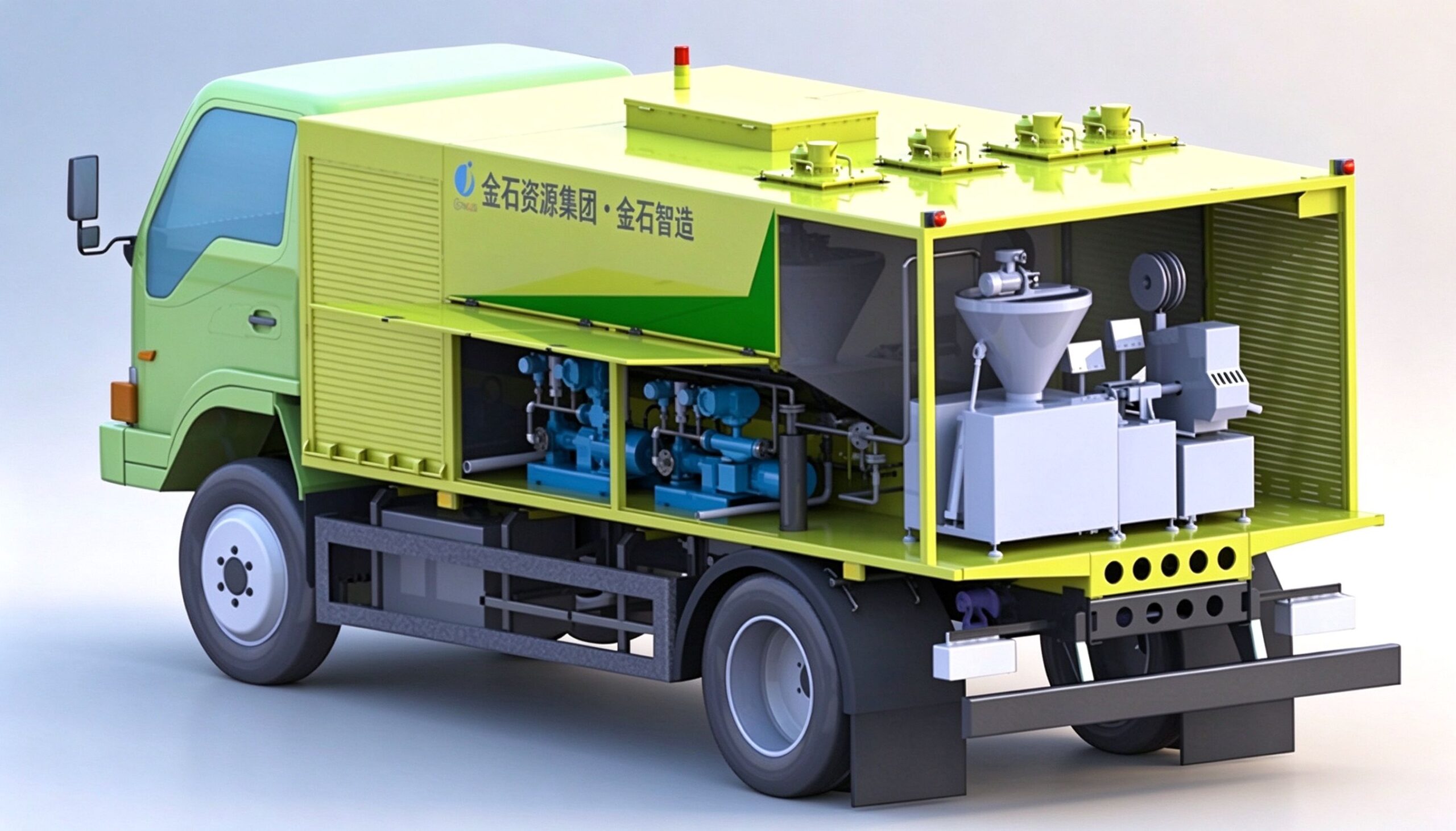
Table of Contents
- What Is a MONO Pump CLN213?
- Key Features and Specifications
- Where the CLN213 Excels: From Wastewater to Emulsion Explosives
- The Spare Parts You’ll Actually Need
- Common Wear Issues and How to Spot Them
- Choosing Replacement Parts Without Getting Burned
- Maintenance Tips That Extend Pump Life
- Frequently Asked Questions
- Final Thoughts
What Is a MONO Pump CLN213?
If you’ve ever watched thick sludge, viscous slurry, or gritty wastewater crawl through a pipe when nothing else would move it, you’ve probably met a progressive cavity pump. The MONO Pump CLN213 is one of those workhorses. It belongs to the CL series, and the “213” tells you it’s built with a specific rotor and stator geometry for a particular duty point. In plain terms, it’s an eccentric screw pump designed to handle the messy stuff that destroys ordinary centrifugal pumps.
Why the CLN213 Matters
Progressive cavity pumps work by pushing fluid through a series of sealed cavities that travel from the suction end to the discharge end. The CLN213 follows this same principle, but the CL series adds a close-coupled design that saves floor space and improves alignment. That means fewer vibration issues and less downtime for bearings.
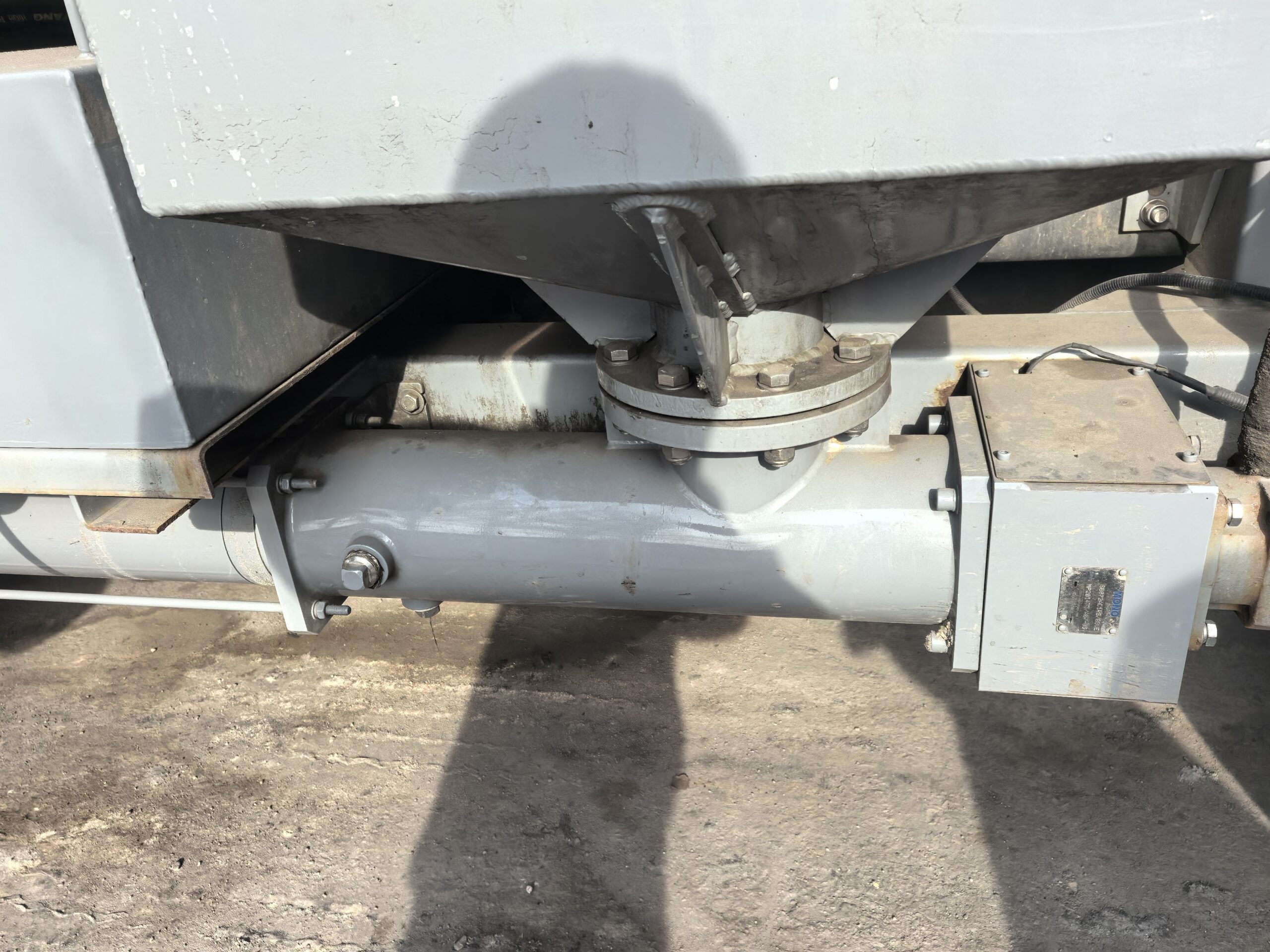
But here’s something a lot of people don’t realize: the CLN213 isn’t just a wastewater pump. In the mining world, this pump—and its close relatives like CLL213 and CLN113—show up on on-site emulsion explosive mixing vehicles. These are the trucks that drive right up to a blast site and mix emulsion explosive components on the spot. The CLN213 handles the emulsion matrix pumping duty, moving the thick, sensitive material from the tank to the mixing and loading system. It’s a job where reliability isn’t optional. If the pump stalls, the whole blasting operation stops.
Breaking Down the Name
| Part of Name | Meaning |
|---|---|
| MONO | The original PC pump brand, a pioneer in the eccentric screw design |
| CL | Close-coupled series |
| N | Standard rotor/stator configuration |
| 213 | Size and duty designation (specific displacement per revolution) |
For a broader look at how these pumps operate, see our overview of how eccentric screw pumps work.
Key Features and Specifications
The CLN213 isn’t just a random pump. It’s a carefully balanced machine. The close-coupled motor mounting eliminates the baseplate and coupling guard you’d see on long-coupled pumps. That’s a real advantage in cramped pump rooms or on tank truck installations where every inch counts. On an emulsion explosive mixing vehicle, space is tight and every component has to earn its place.
What Sets It Apart
- Compact footprint – The motor bolts directly to the pump bracket, so you don’t need a separate bedplate.
- Self-priming capability – Like all PC pumps, it can lift fluid without external priming.
- Gentle pumping action – The low-shear motion protects delicate solids and avoids emulsifying the fluid. This matters enormously when you’re moving an emulsion explosive matrix, because the material’s structure affects how it detonates later.
- Reversible rotation – Run it backward for cleaning or emergency reverse flow.
- Wide viscosity tolerance – Handles thin water-like liquids and thick pastes alike.
Typical Performance Range
Exact performance depends on speed, rotor/stator fit, and material choice. Still, the CLN213R8 sits in a mid-range duty band, commonly delivering flow rates in the tens of cubic meters per hour at pressures up to 12 bar per stage. Your actual numbers will shift with rotor-stator fit (standard, tight, or extra-tight) and the drive speed. Always check the original nameplate or ask for a pump performance curve before ordering spares.
If you need a bare-shaft version for flexible drive options, take a look at our MONO bareshaft pump options.
Where the CLN213 Excels: From Wastewater to Emulsion Explosives
You’ll find the MONO Pump CLN213 in some pretty tough environments. It’s not a showpiece pump; it’s a get-the-job-done pump. Let’s look at where it earns its keep.
The Mining and Blasting Connection
This is the application that often gets overlooked in generic pump articles. The CLN213R8—along with similar PC pump models used by mining corporations—is a common sight on on-site emulsion explosive mixing vehicles. These vehicles are essentially mobile mini-factories. They carry the emulsion matrix and sensitizing agents separately, then mix them right at the blast hole.
Why use a PC pump for this? Because emulsion explosives are shear-sensitive and potentially hazardous. A centrifugal pump would beat the material up, generate heat, and create a safety risk. The CLN213’s gentle, low-shear action moves the emulsion matrix without degrading it or creating dangerous hot spots. In mines, quarries, and large-scale blasting projects, that reliability translates directly into safer and more efficient operations.
Some mining operations also use the SB072AC1R8 pump for similar emulsion transfer duties. Same principle, different model number. The key is matching the pump’s displacement and pressure capability to the vehicle’s mixing system requirements.
The Usual Suspects
Beyond mining, the CLN213 handles the classic progressing cavity pump duties:
- Municipal and industrial wastewater plants – Sludge transfer, thickened sludge feed, and polymer dosing.
- Food and beverage processing – Moving fruit pulp, syrup, yogurt, and waste streams without damaging product structure.
- Chemical plants – Handling corrosive or abrasive slurries where centrifugal pumps fail.
- Oil and gas – Crude oil transfer, produced water, and drilling mud circulation.
- Paper mills – Pulp stock, coating slurries, and recycled fiber.
- Construction – Bentonite, cement grout, and dewatering sludge.
Matching the Pump to the Duty
| Industry | Common Fluid | Why CLN213 Works |
|---|---|---|
| Mining / blasting | Emulsion explosive matrix | Low shear, safe handling, reliable dosing |
| Wastewater | Thickened sludge | Handles high solids without clogging |
| Food processing | Fruit pulp, syrup | Gentle action preserves product quality |
| Chemical | Abrasive slurries | Low-shear motion reduces wear |
| Oil and gas | Crude, produced water | Reliable with variable viscosity |
For more on matching pumps to applications, see our guide on how to select the right progressive cavity pump model.
The Spare Parts You’ll Actually Need
Here’s the honest truth: no pump runs forever. The CLN213 is rugged, but the rotor, stator, and universal joint set take a beating. Planning your spare parts strategy now saves you a panic call later.
The Core Four
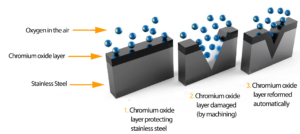
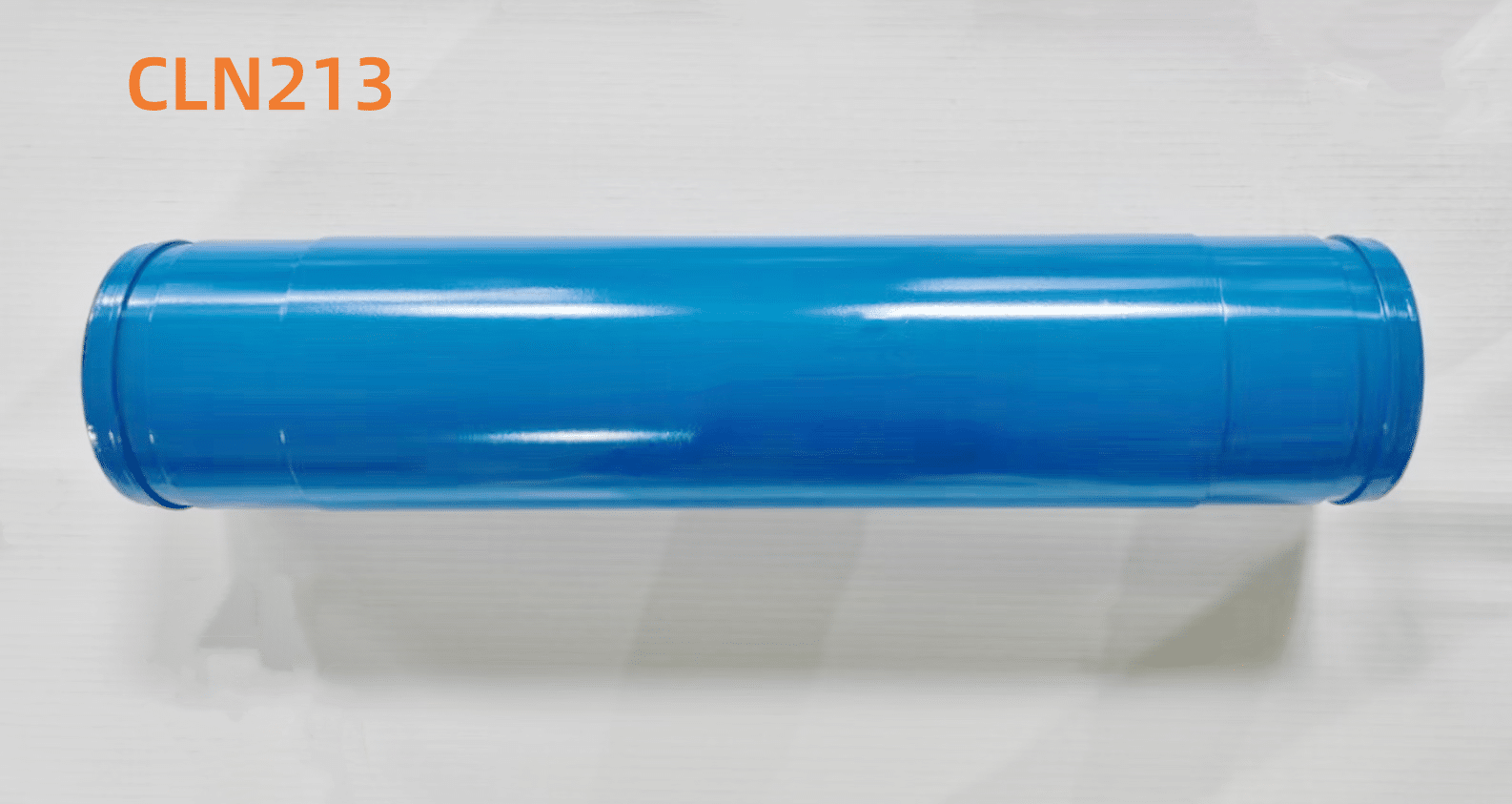
- Rotor – The chrome-plated or stainless steel screw that pushes fluid through the stator. It wears from abrasion and corrosion. For detailed selection tips, check our PC pump rotor guidelines.
- Stator – The rubber or elastomer sleeve that forms the cavities. It wears from friction, chemical attack, and dry running. Learn more in our progressive cavity pump stator article.
- Coupling Rod – The rod that connects the rotor to the drive shaft. It flexes with every rotation, so fatigue is inevitable.
- Driving Shaft (Plug-in Shaft) – The shaft that transmits motor power into the pump. Bearing wear and misalignment shorten its life.
The Universal Joint Set Items
The universal joint set on a MONO Pump CLN213 is a common maintenance point. Here’s what’s inside:
- Coupling Rod Pin
- Coupling Rod Bushing
- Guide Bushing
- Mechanical Joint Seal / Joint Sleeve
- Retaining Sleeve
- Connecting Shaft Pin
- Snap Ring
These small parts cause big headaches when they fail. A worn pin or bushing creates vibration, and vibration accelerates wear on everything else. On an emulsion explosive vehicle, vibration isn’t just a maintenance issue—it’s a safety concern. If you notice a new rattle or shaking, check the joint set early. You can find more on these components in our post about MONO universal parts benefits.
Other Parts That Wear Out
End-users sometimes forget about the casing and branches. If you’re seeing leaks or pressure loss, your suction casing or pressure branch may be worn or cracked. Mechanical seals and gland packing also need periodic replacement. Gland packing is cheaper but needs occasional tightening; mechanical seals cost more but run cleaner and drier.
Custom Parts
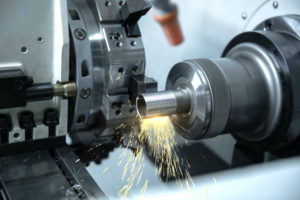
Sometimes the original part isn’t enough. Maybe your duty has changed, or you need a material upgrade for a harsher chemical. A supplier with CNC machining experience can produce custom rotors, stators, and shafts to your design. That flexibility matters when you’re running old equipment or fixing a recurring failure. Explore our OEM and custom parts service for tailored solutions.
For a full range of compatible options, visit our dedicated MONO pump parts page.
Common Wear Issues and How to Spot Them
Every pump has its weak spots. On the MONO Pump CLN213, the rotor-stator interface and the universal joint set are where most problems start. Catching them early keeps costs down.
Warning Signs to Watch For
- Reduced flow rate – Usually a sign of stator wear or rotor erosion.
- Vibration or noise – Often points to universal joint wear or misalignment.
- Leaking seals – Mechanical seal or gland packing needs attention.
- Motor overload – A tight or swollen stator can cause excessive torque.
- Dry running – The most common killer of stators. This is especially critical in emulsion explosive service. Running a PC pump dry generates friction heat fast, and with sensitive materials in the line, that’s a risk you cannot afford.
Rotor and Stator Wear Explained
| Symptom | Likely Cause | Action |
|---|---|---|
| Falling flow | Stator wear, rotor corrosion | Measure rotor diameter, inspect stator |
| Vibration | Worn joint pins or bushings | Replace universal joint set |
| High torque | Swollen stator, wrong fit | Check fluid compatibility, replace stator |
| Seal leak | Worn seal or packing | Replace seal or repack gland |
| Overheating | Dry running, too-tight fit | Add dry-run protection, verify fit |
For practical diagnosis steps, read our guide on how to diagnose worn rotors and select the optimal replacement.
The Fit Question
Rotor-stator fit is critical. A standard fit runs cooler and is more tolerant of debris. A tight fit gives higher pressure but generates more heat and torque. If you’re replacing a stator, match the fit to your actual duty. Going tighter isn’t always better—especially when the fluid you’re moving demands careful handling.
Choosing Replacement Parts Without Getting Burned
Replacement parts come in three flavors: OEM, aftermarket, and custom. Each has trade-offs, and the right choice depends on your budget, downtime tolerance, and material requirements.
OEM vs. Aftermarket vs. Custom
| Option | Pros | Cons |
|---|---|---|
| OEM parts | Exact fit, guaranteed compatibility | Higher cost, longer lead times |
| Quality aftermarket | Lower cost, faster delivery, 100% compatible | Quality varies by supplier |
| Custom-machined | Material upgrades, tailored fit | Needs design data, longer initial lead time |
What to Check Before You Buy
- Dimensional compatibility – Ask for dimensional drawings or certification.
- Material grade – Rotor chrome thickness and stator elastomer type must match your fluid. For emulsion explosive service, confirm the elastomer is compatible with the specific chemistry.
- Manufacturing process – CNC machining with tight tolerances beats hand-finished parts.
- Supplier experience – Fifteen years in PC pump spares means they’ve seen your failure mode before.
- Warranty and support – A supplier who stands behind the part is worth the extra phone call.
Don’t Forget the Small Stuff
A full overhaul needs more than a rotor and stator. Check the coupling rod, joint set items, seals, and casing condition. A new rotor and stator installed on worn joint parts will fail early. Think of it like changing tires without checking the wheel bearings.
You can explore more options in our collection of replacement parts for progressive cavity pumps and the broader replacement spare parts for screw pumps.
Maintenance Tips That Extend Pump Life
Good maintenance isn’t complicated. It’s mostly about paying attention and fixing small things before they become big things.
Daily Habits
- Check for leaks and unusual noise at the start of every shift.
- Verify motor amps against the expected load.
- Confirm the pump never runs dry.
- Watch discharge pressure for gradual changes.
Weekly and Monthly Tasks
- Inspect gland packing and tighten or replace as needed.
- Check coupling alignment if the pump is long-coupled.
- Look for vibration at the universal joint area.
- Record flow and pressure trends to spot wear early.
Longer-Term Checks
- Measure rotor diameter annually and compare to spec.
- Inspect stator elastomer for swelling, cracking, or hardening.
- Replace joint set items on a schedule, not just when they fail.
- Review fluid chemistry to ensure the stator material still suits the duty.
Dry-Run Protection
If your process can empty the suction line, install dry-run protection. A simple level switch or temperature sensor can save a stator from destruction. On an emulsion explosive vehicle, this isn’t just about saving a part—it’s about maintaining safe operating conditions. It’s one of the cheapest upgrades you can make.
Additional practical advice is available in our MONO G-range pump spare parts overview.
Frequently Asked Questions
What does CLN213 mean on a MONO pump?
The “CL” refers to the close-coupled series. “N” indicates the standard rotor-stator configuration, and “213” is the size and duty designation. Together, they define a specific pump model in the MONO CL range.
Is the CLN213 used for emulsion explosives?
Yes. In mining and quarrying operations, the CLN213 (and similar models like the SB072AC1R8) is commonly installed on on-site emulsion explosive mixing vehicles. It pumps the emulsion matrix from the tank to the mixing and loading system. The pump’s low-shear action and reliable dosing make it well-suited to this safety-critical duty.
Can I use aftermarket parts on a MONO Pump CLN213?
Yes, provided the parts are dimensionally compatible and made from suitable materials. Quality aftermarket suppliers manufacture parts that are 100% compatible with the original design. See our full range of PC pump parts.
How often should I replace the rotor and stator?
It depends on the fluid, operating hours, and fit. Abrasive slurries wear parts faster than clean fluids. Monitor flow and pressure to spot wear early.
What causes a stator to fail prematurely?
Dry running, chemical incompatibility, excessive temperature, and wrong rotor-stator fit are the most common causes. Always match the elastomer to the fluid.
Can I get custom parts for the CLN213?
Yes. Suppliers with CNC machining capability can produce custom rotors, stators, and shafts based on your design or samples. Visit our custom parts service for details.
Final Thoughts
The MONO Pump CLN213 is a reliable, compact progressive cavity pump that handles the tough stuff—whether that’s sludge at a wastewater plant or emulsion explosive matrix on a mining vehicle. But like any pump, it needs the right spare parts and a bit of attention to keep running.
If you’re running an emulsion explosive mixing vehicle, you already know that downtime isn’t an option. A failed stator or worn joint set can stall an entire blasting schedule. And if you’re a distributor or OEM supporting mining customers, having the right parts on the shelf makes you the hero of the day.
Look for a supplier with real CNC machining experience, a broad inventory of rotors, stators, coupling rods, driving shafts, and universal joint set items, and the ability to produce custom parts when standard ones won’t cut it. Top Level Intl. has been supporting PC pump users for over 15 years with 100% compatible replacement parts for MONO, NETZSCH, SEEPEX, ALLWEILER, and PCM pumps—including the models used on emulsion explosive vehicles. Reach out today to confirm your CLN213 or SB072AC1R8 part numbers, request a quote, or ask about custom machining. Your pump will thank you.