


I know the frustration: you buy expensive raw materials in drums or barrels, and every last drop is a battle — waste, mess, or inconsistent dosing. NETZSCH barrel emptying systems solve that headache by delivering near-complete, controlled discharge of high-viscosity, shear-sensitive, or abrasive materials straight into your process — cleanly and repeatably. This article follows your requirements exactly and was written in line with the document you uploaded.
In short: NETZSCH barrel emptying systems are engineered pump + pickup solutions (usually built around NEMO® progressing cavity pumps or other NETZSCH units) that extract product from drums, barrels, and IBCs with minimal air entrainment, low shear, and very high solids tolerance — making them ideal for adhesives, inks, food pastes, paints, slurries and many chemical feeds.
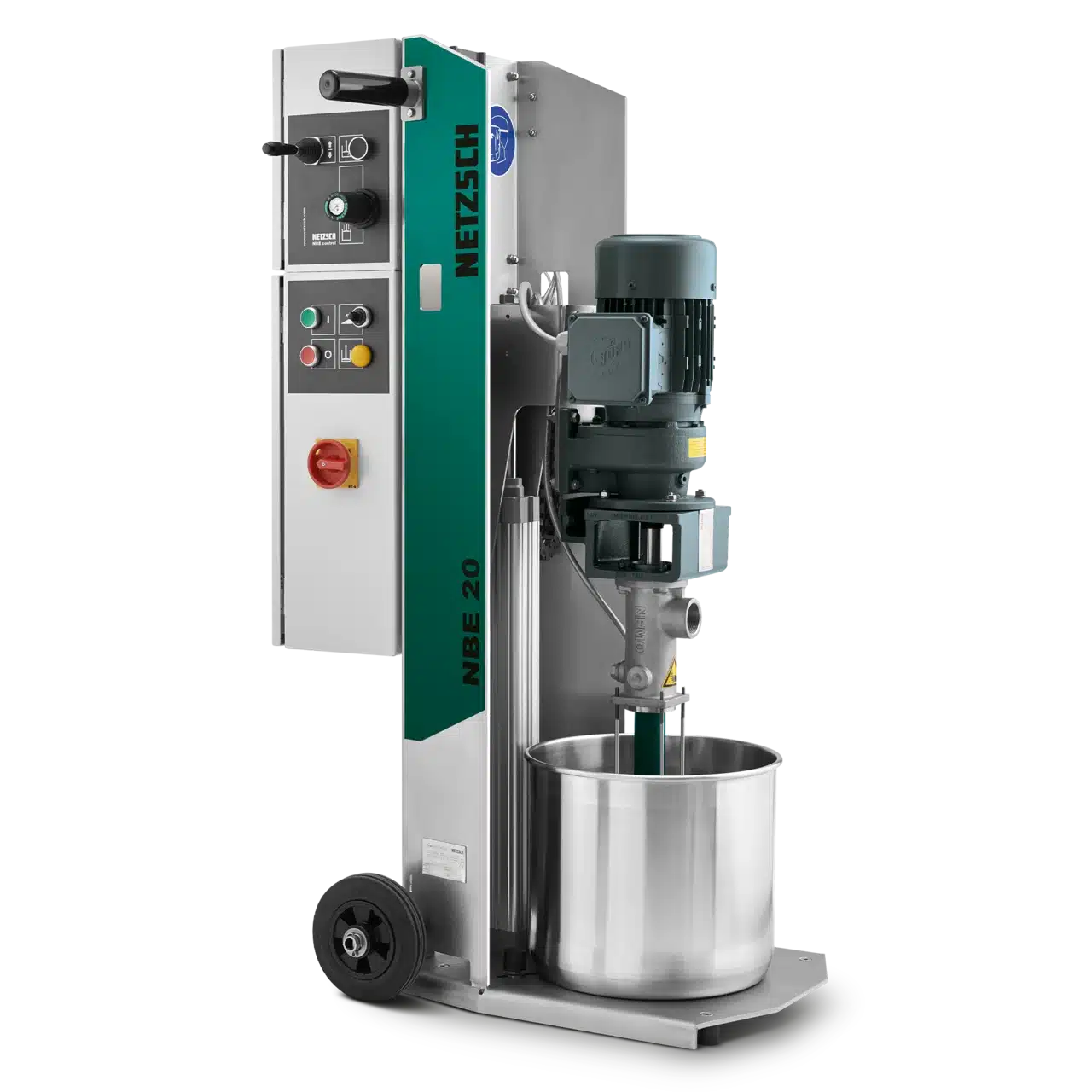
Table of contents
- What is a NETZSCH barrel emptying system?
- How NETZSCH barrel emptying systems work
- Key components and common configurations
- Which industries benefit most?
- Advantages vs other drum emptying methods
- Choosing the right system — selection & sizing tips
- Maintenance, spare parts and why Top Level Intl. matters
- Installation, safety and hygienic considerations
- FAQ — quick answers for the shop floor
- Conclusion
What is a NETZSCH barrel emptying system?
A NETZSCH barrel emptying system is a purpose-built solution that removes product from drums, barrels or IBCs and feeds it reliably to downstream equipment — usually using a NETZSCH progressing cavity pump (NEMO®) or other NETZSCH pump technology. These systems are designed to handle viscous, filled, shear-sensitive, or abrasive media while minimizing waste and airborne emissions.
NETZSCH systems typically combine a pickup tube or suction lance, specialized drum fittings (e.g., dip tubes, foot valves), a positive-displacement pump, and controls for flow/dosing — all built to preserve product integrity and ensure repeatable transfer.
Why this matters: if your product must remain homogeneous, undamaged, or fully delivered to process (think paste adhesives, fruit preparations, or pigment concentrates), a NETZSCH barrel emptying setup is far superior to tipping, manual scooping, or open siphons.
How NETZSCH barrel emptying systems work
Most NETZSCH barrel emptying solutions use a progressive cavity pump to gently transport material from a container to process without pulsation, shear damage, or clogging.
The basic flow is:
- Pickup from barrel via dip tube or vacuum lance →
- Foot valve or strainer prevents solids ingress to pump cavity →
- Progressive cavity pump provides constant, low-shear flow →
- Optional flow meter, dosing controller or CIP connection at discharge.
Because the rotor/stator geometry traps and moves fixed volumes, the system is excellent for accurate dosing and for handling slurries with solids content. The pump’s gentle action means ingredients that are shear-sensitive (emulsions, thickeners, biologicals) keep their texture and function.
In many NETZSCH designs the pickup assembly includes a flexible or extendable lance with a self-priming foot valve. That valve prevents air re-entry when the pump stops, so you maintain prime and avoid cavitation. Where hygiene is critical (food or pharma), lances and fittings are stainless and designed for CIP (clean-in-place). Tables below compare common pickup options and when to use them.
Pickup options at a glance
| Pickup type | Best for | Pros | Cons |
|---|---|---|---|
| Fixed dip tube | Low-viscosity liquids | Simple, low cost | Not for solids or very thick pastes |
| Flexible lance with foot valve | Viscous pastes, solids | Drains fully, reduces waste | Slightly higher cost |
| Vacuum lance (vacuum assist) | Very high viscosity | Helps break static friction | Requires vacuum source |
| Drum roller + low head pump | Large drums, controlled dispensing | Ergonomic, fast | Needs mechanical handling |
Key components and common configurations
A functioning NETZSCH barrel emptying system usually contains these elements: suction lance/dip tube, foot valve or strainer, progressive cavity pump (NEMO® or other), pressure relief/overpressure protection, dosing controller or flow meter, and options like heating jackets or CIP. Below are practical configuration examples used in industry:
Typical configurations
- Batch transfer (manual start/stop): Simple pump + dip tube. Good for non-critical dosing and thicker liquids.
- Metered dosing (automatic): Pump + flow meter + PLC interface for repeatable fills. Used in F&B, adhesives.
- Hygienic CIP system: Stainless pump, quick-disconnect fittings, designed for washdown.
- Mobile drum emptying cart: Pump mounted on trolley with battery or small motor for safe manual positioning.
Matching the pump size (displacement per rev) to the required dosing resolution is crucial. Small pumps for micro dosing increase accuracy but may struggle with particulates; larger pumps move product faster but may overdeliver without proper controls.
Which industries benefit most?
NETZSCH barrel emptying systems are used wherever drums or barrels contain valuable or difficult-to-pump media. Typical sectors:
- Food & Beverage: syrups, fruit purees, chocolate pastes — hygienic options and CIP are essential.
- Pharmaceuticals & Cosmetics: creams, gels, active slurries — low shear and contamination control matter.
- Chemical & Petrochemical: polymers, adhesives, resins — solids tolerance and chemical compatibility needed.
- Paints & Coatings / Inks: pigment concentrates, high solids paints — accurate dosing and abrasion resistance.
- Wastewater & Sludge Handling: for sampling, lab transfer, or chemical dosing.
In the oilfield or chemical plants, explosive atmospheres may require ATEX-certified pumps and grounding. In food or pharma, stainless steel, surface finish, and traceability are often required. Always check regulatory requirements for your industry before selecting options.
Advantages vs other drum emptying methods
Compare NETZSCH barrel emptying systems with tipping drums, drum crushers, peristaltic pumps, and manual scooping.
Key benefits:
- Minimal product loss: flexible lances and foot valves leave very little dead volume.
- Low shear: preserves product structure — crucial for emulsions and biologicals.
- High solids tolerance: progressive cavity pumps handle high solid loads better than rotary lobe or centrifugal pumps.
- Accurate dosing: constant displacement enables precise metering when paired with a flow meter.
- Reduced contamination and emissions: closed systems cut VOC release and contamination risks.
While peristaltic pumps are good for sanitary applications and easy maintenance, they can struggle with high particulate loads and have limited pressure capabilities. Tipping drums are cheap but wasteful and risky. NETZSCH solutions strike a balance between accuracy, gentleness, and robustness.
Choosing the right system — selection & sizing tips
Selecting the proper NETZSCH barrel emptying system is about matching fluid properties, solids content, throughput, dosing accuracy, and installation constraints.
Steps to choose:
- Characterize the product: viscosity (at pumping temp), particle size and concentration, abrasiveness, temperature sensitivity.
- Define throughput and dosing: L/min or g/min; continuous vs batch; accuracy required.
- Decide hygiene/regulatory needs: CIP, materials (SS316), surface finish.
- Consider environment: hazardous area, washdown, mobile vs fixed.
- Choose pickup style: flexible lance for low dead volume; vacuum assist for extremely viscous products.
- Select pump size & rotor/stator material: elastomer selection for stators (NBR, EPDM, FKM) influences chemical compatibility and wear life.
Rotor/stator life is strongly influenced by abrasive particles — hard particles will wear elastomers. Where abrasion is severe, consider hardened shaft materials and plan for spare rotors/stators. Top Level Intl. can provide compatible replacement rotors, stators, and universal joint sets tailored to NETZSCH designs.
Maintenance, spare parts and why Top Level Intl. matters
Routine maintenance is straightforward but critical: check stator wear, inspect rotor finish, ensure foot valve/strainer free of clogging, and verify seals and coupling components. Typical spare parts: rotors, stators, coupling rods, driving/plug-in shafts, mechanical seals, and universal joint components.
Why use aftermarket specialists like Top Level Intl.:
- Compatibility: CNC machined replacement rotors and stators that match NETZSCH tolerances.
- Availability: Keep inventory of common wear parts (rotor, stator, coupling rod, plug-in shaft, universal joint set).
- Custom solutions: Modified parts for unique or legacy drums and pick-up systems.
- Cost control: High-quality alternatives often at lower price with equivalent performance.
A small investment in a spare rotor and stator kit dramatically reduces downtime. Bearings, universal joint pins, and snap rings are inexpensive but critical. If you run abrasive slurries, schedule more frequent stator inspections — and consider alternative elastomers or hardened components.
Installation, safety and hygienic considerations
Correct installation prevents many downstream problems.
Practical tips:
- Ground and bond drums when pumping flammable liquids.
- Locate pump below or near drum level for priming simplicity, or use self-priming lift-capable models.
- Use strainers on the suction to prevent large debris from entering the pump.
- For food/pharma, use hygienic clamps, electropolished surfaces, and documented CIP cycles.
- Ensure adequate overpressure protection and emergency stop (E-Stop) accessible to operators.
Consider ergonomics — a mobile trolley reduces lifting. For volatile materials, use closed transfer with vapor recovery or inerting (nitrogen blanket). Always confirm motor and control panel IP ratings for washdown environments.
FAQ — quick answers for the shop floor
- Q: Can NETZSCH barrel emptying systems handle solids?
A: Yes — progressive cavity pumps are well suited to solids-laden slurries; choose the right stator and larger clearances if solids are large. - Q: How much product is left in a drum?
A: With a flexible lance and correct foot valve, dead volume can be negligible (a few milliliters) — vastly better than tipping. - Q: What maintenance should I plan?
A: Inspect stator and rotor wear every X hours (depends on abrasiveness), check seals monthly, and keep a rotor/stator spare kit on hand. - Q: Is this hygienic for food use?
A: Yes — choose CIP-capable, stainless components and suitable elastomers; NETZSCH offers hygienic pump variants.
Conclusion
NETZSCH barrel emptying systems deliver clean, accurate, and gentle drum-to-process transfer for a wide range of industries — from food and pharma to paints and chemicals. They reduce waste, protect product integrity, and simplify dosing. If downtime and product loss are costing you time and money, switching to a purpose-built barrel emptying solution is a clear win.
Ready to optimize your drum transfers? Contact Top Level Intl. for compatible replacement parts (rotors, stators, coupling rods, plug-in shafts) and custom pickup assemblies tailored to NETZSCH barrel emptying systems. We’ll help you size the right pump, recommend elastomers, and supply spare kits so your line stays running.
Get in touch today — let us review your product data (viscosity, solids size, throughput) and recommend a solution that minimizes waste and maximizes uptime.


